 Skip to main content
What to Look for When Buying a Second hand Car?
Buying a second hand car is a practical and budget-friendly way to own a car without paying the high cost of a brand-new model. The Australian used car market offers a wide range of options, from small hatchbacks to family SUVs and utes, making it easier to find something that suits different needs and budgets.
However, buying a used car does require a bit of care. Unlike a new one, you don’t always know the full history or how well it has been maintained. That’s why a proper inspection and a bit of research are so important before making a purchase.
So the real question here is: What should you actually look for when buying a second hand car?
While used car prices in Australia can range anywhere from a few thousand dollars to $40,000+, depending on the make, model, condition, and mileage. However, the real value isn’t just in the price—it’s in how well the car has been looked after.
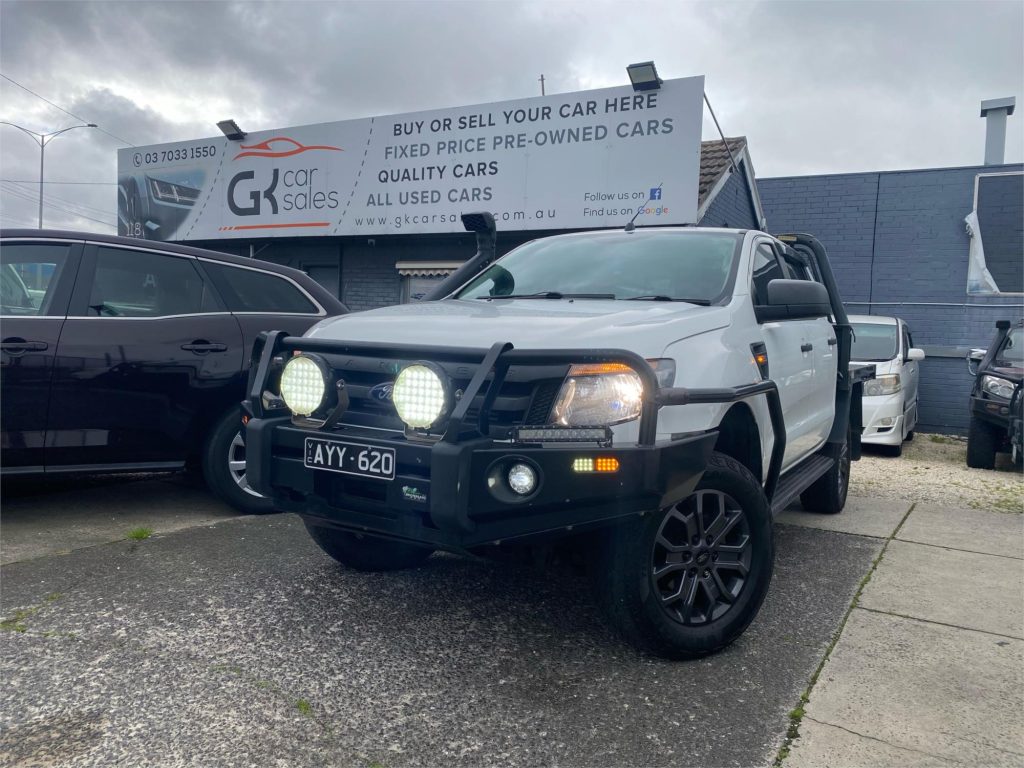
This guide will walk you through:
Key things to check before buying How to spot warning signs early What to look for during a test drive Important paperwork and history checks Dealership vs private seller Final steps before you commit
Key Things to Check Before Buying a Used Car
Inspect the Exterior Condition
The exterior condition of a car can tell you a lot about how well it has been looked after. Take your time and inspect the car carefully, checking for any visible issues.
Look for:
- Dents, scratches, or rust on the body
- Mismatched paint job or uneven panels
- Signs of previous accident repairs or poor fixes
- Proper alignment of doors, bonnet, and boot
- Working condition of lights, windows, and locks
If anything looks unusual or doesn’t quite line up, it’s a good idea to ask questions before moving forward.
Look Under the Bonnet
You don’t need to be a mechanic, but it’s always worth having a quick look under the bonnet when buying a used car. It can give you a fair idea of how well the car has been looked after.
Watch out for:
- Oil leaks or any wet patches around the engine bay
- Cracked, worn, or perished hoses
- Rust or corrosion on metal components
- Low, dirty, or neglected fluid levels (engine oil, coolant, brake fluid)
- Excessive grime or signs of poor maintenance
If you notice any odd noises, smoke, or anything that doesn’t seem right, it’s a good idea to get it properly checked before moving ahead.
Check the Tyres and Wheels
Tyres are often overlooked, but they can tell you a lot about how the car has been maintained and driven.
Look for:
- Even tread wear across all tyres
- Adequate tread depth (not worn down or balding)
- Cracks, cuts, or visible damage on the sidewalls
- Uneven wear patterns between tyres
Uneven wear can point to alignment or suspension issues, so it’s worth paying attention to—especially since replacing tyres can be quite costly.
Verify Rego and VIN Details
Make sure the car Identification Number (VIN) matches the registration papers and any documentation provided by the seller.
Also, check the following:
- Registration is current and valid
- No discrepancies between the VIN and paperwork
- All car details are consistent across documents
If anything doesn’t match or seems off, it should be investigated properly before continuing with the purchase, as it may indicate issues like illegal modifications, theft, or a written-off car
Check Ownership and Paperwork
Before inspecting the car, always confirm ownership details. Make sure the seller is the registered owner and their ID matches the registration documents.
It’s also important to check there is no outstanding finance on the car. A quick check helps protect you from legal and financial issues later.
At GK Car Sales, this step is always completed as part of the car preparation process to ensure buyers have complete peace of mind.
Conduct PPSR and Car History Checks
A PPSR (Personal Property Securities Register) check is an essential step when buying a used car in Australia. This report can reveal whether the car:
- Has outstanding finance
- Has been reported stolen
- Has been written off previously
This check provides additional peace of mind and helps buyers avoid purchasing a car with hidden legal or financial problems.
Examine the Interior Carefully
The inside of the car can tell you a lot about how well previous owners have maintained it. A clean and well-kept interior is often a good sign of responsible ownership.
Check:
- Seats, carpets, dashboard, and roof lining for wear, stains, or damage
- Air conditioning performance (especially important in hot weather)
- Infotainment system, audio, and Bluetooth connectivity
- Power windows, mirrors, and other interior controls
- Dashboard warning lights and any unusual alerts
Be cautious if you notice:
- Damp or musty smells
- Wet carpets or moisture inside the cabin
- Signs of mould or water damage
These could indicate leaks or previous flood damage, so it’s worth investigating further before buying.
Common Red Flags to Watch Out For
Selling your used car can be a significant decision, and understanding the process is essential to ensure a smooth and successful transaction. But with careful planning and a strategic approach, you can maximise your car’s value.
Odometer Tampering
Odometer tampering occurs when the displayed mileage is altered to make the car appear less used than it actually is.
Signs of possible tampering include:
- Excessive wear on pedals or steering wheels despite a low mileage count
- Inconsistent service records
- Missing maintenance history
Buyers should compare the odometer reading with service logs and inspection records wherever possible.
Missing Logbook
A complete service history is a strong sign that the car has been properly maintained. Missing logbooks or incomplete records can be a red flag for missed servicing or hidden issues. Furthermore, cars with well-documented maintenance records are generally more reliable and usually easier to sell later on.
Mismatched Paintwork or Repairs
Different paint shades, uneven panel gaps, or poorly aligned body panels may indicate previous accident repairs. While repaired cars are not always problematic, buyers should understand the extent of any past damage before purchasing.
What to Check During a Test Drive
Car Performance and Handling
A proper test drive allows buyers to assess how the car performs under normal driving conditions.
During the drive, pay attention to:
- Acceleration and braking response
- Steering control
- Suspension comfort
- Gear changes
- Engine smoothness
The car should feel stable, responsive, and comfortable to drive.
Testing Features and Electronics
All electrical components should be tested during the inspection and test drive. This includes:
- Headlights and indicators
- Reverse cameras
- Parking sensors
- Infotainment systems
- Bluetooth connectivity
- Air conditioning
Electrical repairs can become expensive, especially in modern cars with advanced technology, so this step is crucial.
Listen for Unusual Noises
Strange sounds may indicate hidden mechanical issues. Buyers should listen for:
- Engine knocking
- Suspension rattles
- Brake squealing
- Transmission noises
Important Questions to Ask the Seller or Dealer
Asking the right questions can help buyers gather important information about the car’s history and condition.
Some useful questions include:
- Why are you selling the car?
- Can I see all the paperwork?
- Has logbook servicing been carried out and stamped?
- Are there any records of previous accidents?
- What is the current odometer reading?
- When does the registration expire?
- Have any parts or consumables been replaced recently?
- Is the car still under factory warranty?
- Can I purchase an extended warranty?
- Can I have the car inspected by my mechanic?
- Can I take the car for a test drive?
In case you’re at a used car dealership, you should ask these two additional questions:
- Does the purchase include free roadside assistance?
- Can I pre-purchase a car servicing package?
Buying from a Dealer vs a Private Seller
Benefits of Buying from a Dealer
Purchasing from a licensed dealer is often a safer and more convenient option, especially when browsing through used car sales in Melbourne. Dealers typically provide added protections that make the buying process more straightforward.
You can expect the following:
- Warranty options for extra peace of mind
- Pre-sale car inspections and checks
- Finance solutions to suit different budgets
- Consumer law protections for added security
- Cars that are serviced and prepared before sale
Overall, dealerships simplify the process and reduce the risks compared to private sales.
Risks and Benefits of Private Sellers
Buying from a private seller may result in lower prices, but it can also involve greater risk. Private sales usually do not include warranties or consumer protections. Hence, buyers are responsible for completing their own inspections and history checks before purchase.
Final Steps Before Completing the Purchase
Get Proof of Purchase
Always obtain a written receipt or proof of sale when purchasing a Second hand car. The documents needed include:
- Seller and buyer details
- Car information
- Sale price
- Date of transaction
- VIN
Having all the required paperwork prevents disputes later on.
Transfer Registration Properly
The car registration must be transferred according to local state regulations. Buyers should complete the transfer process within the required time frame to avoid penalties. It is also important to confirm all transfer requirements before completing the purchase.
Confirm Insurance Coverage
Before driving away with the car, buyers should ensure appropriate insurance coverage is arranged. Comprehensive insurance is usually the most cost-effective option as it provides additional protection against accidents, theft, and damage.
Why Many Buyers Choose Second hand cars
Second hand cars remain a popular option for many buyers because they provide excellent value for money. Compared to new cars, used ones generally come with a lower purchase price, making them more affordable for first-time buyers, families, and individuals working with a budget.
Another advantage is reduced depreciation. New cars lose a significant portion of their value within the first few years. In comparison, Second hand cars typically depreciate at a slower rate. This means buyers may get better long-term value from a used vehicle.
Buying a used car also provides access to a wider range of makes, models, and features that may otherwise be out of budget as a brand-new model.
Expert Tips for Buying a Second hand car
Buying a Second hand carrequires careful research, patience, and attention to detail. Buyers should always compare multiple cars, carry out thorough inspections, and never rush into a purchase decision.
It’s even better if a professional pre-purchase inspection can be arranged. This will identify hidden issues and provide added confidence before committing to the sale.
Taking the time to complete all the aforementioned checks can help buyers avoid costly problems and choose a reliable car that suits their needs.
Find Your Dream Car Today at GK Car Sales
Understanding what to look for when buying a Second hand carmakes the entire process safer and more straightforward. From checking paperwork and conditions to reviewing history and completing a test drive, each step plays an important role in helping you make the right decision. If you need assistance or want a hassle-free way to buy a used car, get in touch with GK Car Sales.
We offer high-quality cars, transparent deals, and professional support to streamline the process. Plus, our dealership has various makes and models in varying conditions to suit your needs and budget. So, explore our options today and drive home in a well-maintained Second hand carthat offers excellent value, reliability, and long-term savings.
For details, don’t hesitate to call us on (03) 7033 1*** or email us at info@gkcarsales.com.au to get started today.